Divorce process
Are Divorce Records Public?
Are divorce records public? Find out the answer to this question and all the need-to-know details now in the latest SplitUp family law article.

If you’re currently going through a divorce, soon will be, or have done previously, it is no surprise that you’re wondering if your divorce records get made public and whether or not they are accessible to others. So, we have put together this in-depth guide to answer all of your questions on the matter.
While we’ll provide more exact details below, we first want to start with a quick and succinct answer to the question ‘are divorce records public?’:
Yes, many divorce records (and other filings e.g. those surrounding custody/support for that matter) are part of the public record. However, what is available and to whom will vary depending on your state and the specifics of your divorce case.
Below, we’ll give more details on everything from how to find and retrieve public divorce records, to how to hide them from the public should you need to. So, let’s start with which records even get made public to begin with.
Which Divorce Records Get Made Public?
As anyone who has been through a divorce will tell you, there are a lot of documents and records that get created in the divorce process, and perhaps you want to know exactly which of these will actually get added to the public record.
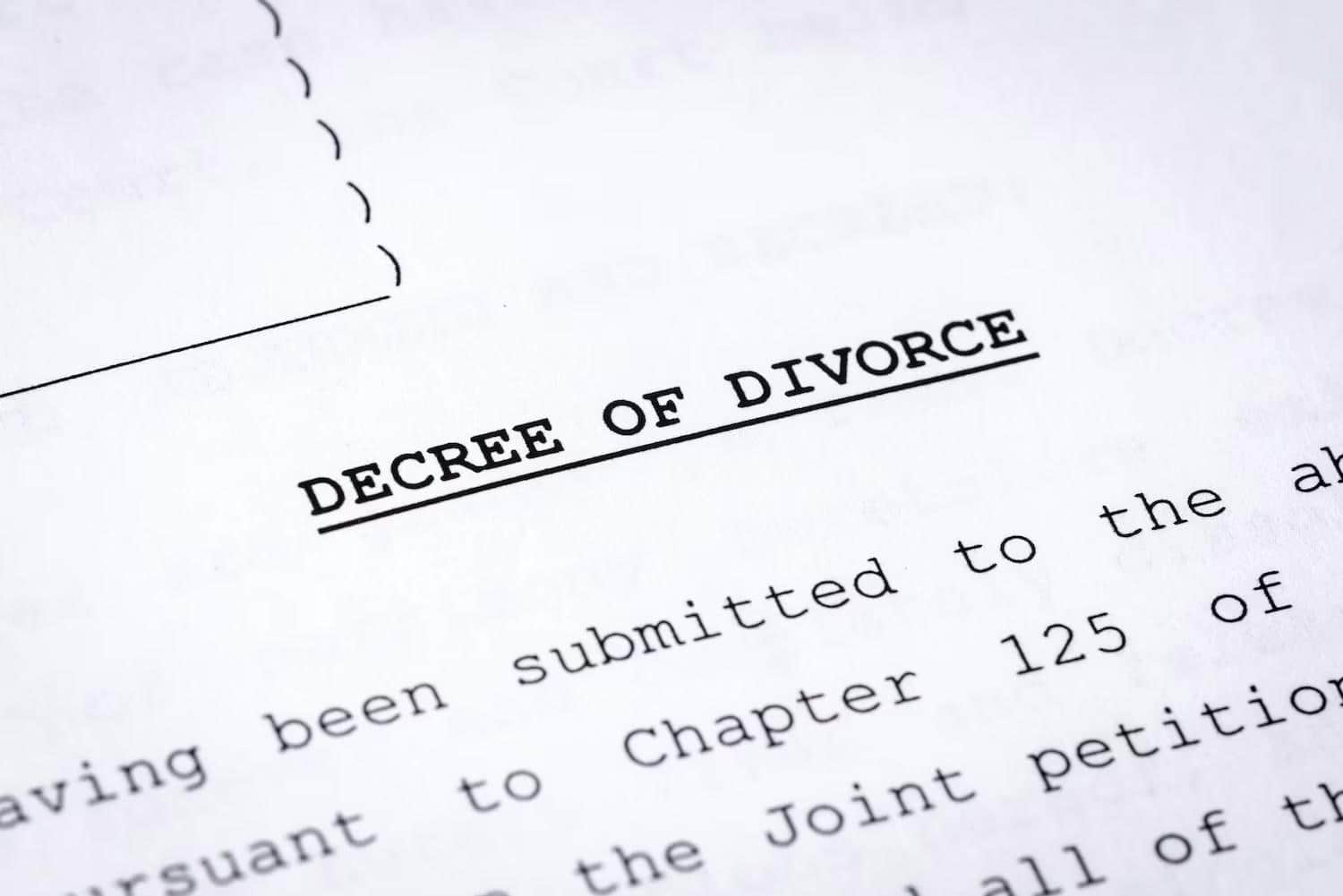
Well, one of the first things to know is that your divorce decree can be made part of the public record, depending on your state.
Divorce Decrees
Depending on your state, this official document issued by the court and which establishes the legal terms of your divorce, can be made part of the public record. However, this doesn’t necessarily mean that they will be readily available online, and typically a formal request will be required to obtain this.
Want to find out more about this specific type of paperwork? Check out our guide to divorce decrees (*link to page once live) now.
Divorce Certificates
The divorce certificate, which outlines the key details surrounding your divorce (like the names of those involved and/or the date and time that the divorce became final), is another document which will typically only be made available to those involved in the divorce (with the occasional exception).
Divorce Records
Unlike the other documents discussed so far, divorce records are generally made available to the public.
These records will include not only much of the same information as found on a divorce certificate, but also all of the documents and files produced throughout the divorce proceedings.
The information found within the divorce record may prove useful in future court proceedings, and as a result they may be made accessible to the general public (those who request to see them).
How Can I Get a Copy of My Own Divorce Documents?
Many people don’t receive their important divorce documents due to cost concerns, time constraints, or uncertainty about how to access them. However, it is often easier and cheaper than you might think it would be to get your hands on your most important divorce documents.
For example, if you just need a certificate confirming your divorce, you can order this quickly and easily online. This will typically set you back between $10 and $30.
To get your divorce decree, or divorce record, on the other hand, you will need to submit an application to the same court that facilitated the divorce. Note: each state handles divorce papers slightly differently. If you’re not sure who to reach out to in order to request your documents, your best bet will be to start by speaking to the state superior court or the county circuit court.
Also, you should know that many courts allow you to search for a case directly online nowadays, making it quick and easy for you to identify and request the relevant documents from your divorce. Alternatively, you can submit your retrieval application through the post or in person.
If you are requesting divorce documentation, below are some of the key details that you need to include on your application:
-
The case number (citation number or cross-reference number).
-
The parties’ names.
-
The name of the court where your divorce proceedings took place.
Remember, some courts also allow you to search for documents by entering the name of the person, business or attorney involved in the case. However, you must still know which court to apply your search to for this to work.
Furthermore, some courts permit you to have access to your entire case file simply by registering with the court. After registering with the court you can gain access to every document filed in your case.
Which Divorce Documents Are Not Part of the Public Record?
Often the answer to this question will be determined by the court, and their judgement will be based on the details of each particular divorce case. Sometimes, a court will decide to seal documents when they could cause harm in the public domain.
For example, a judge may seal documents that contain proprietary business information, or which relate to sensitive matters such child custody, mental health, or domestic abuse. In such cases, you would need a court order to see the sealed transcripts, evidence, and wider paperwork. A court may also seal a public figure’s entire file.
Can I Hide the Fact That I’m Divorced?
The first thing to know is that a court isn’t likely to seal any documents unless you specifically ask them to do so. Even once you have requested that they seal your documents, they can always say no if they don’t feel that doing so would be useful and necessary.
Next, know that unfortunately courts aren’t likely to seal any divorce documents due to concerns surrounding things like personal embarrassment. Instead, you must demonstrate good cause for the court to consider sealing the documents.
Keep in mind that your only options aren’t to have all of the divorce documents added to the public record or none of them. You can also request that only parts of the divorce details are redacted and kept out of the public eye. Smaller requests like these could result in more success and increase the likelihood of the court redacting some of the details of your case.
Finally, remember that every state is different, and whether or not your divorce records are added to the public record will depend in large part on where you’re located. Speak to a local legal expert for bespoke advice, and download the SplitUp app for even more comprehensive family law guidance and support.
Disclaimer: This article provides general information about divorce records in the United States. Laws and procedures vary by state and county. For legal advice specific to your situation, consult a licensed family law attorney in your area.